Buying a bike speaker sounds simple. You pick one, mount it, and ride. However, anyone who has made a hasty purchase knows the frustration of crackling audio, a dead battery halfway through a ride, or a speaker that flies off on a bumpy trail. Smart shoppers do not just buy the first option they see. They compare carefully, ask the right questions, and think about how a speaker will perform in the real world.
This guide walks you through every step of that process. By the end, you will know exactly what to look for, what to ignore, and how to find a speaker that genuinely fits your riding style.
The most common mistake is buying based on looks or price alone. A speaker might look rugged and sound great in a quiet store. However, it may disappoint the moment it hits wind noise, rain, or rough road vibrations.
Another common error is ignoring the mounting system. Even the best-sounding speaker becomes useless if it wobbles, scratches your handlebars, or requires a complicated setup every time you ride. Therefore, knowing what actually matters before you shop saves you money and frustration in the long run.
The good news is that a proper speaker comparison does not require technical expertise. You just need to know which factors are worth your attention and which are just marketing noise.
Sound Quality: What It Really Means for Cyclists
Sound quality is the first thing most people check. However, for cyclists, it means something different than it does for home listeners. Outdoors, you are competing with wind, traffic, and road noise. A speaker that sounds rich and full in a living room may sound thin and distant while you pedal at speed.
Look for speakers that offer a wider sound projection angle. This ensures the audio reaches your ears even when the speaker is mounted at handlebar level. Additionally, a speaker with strong mid-range output tends to perform better outdoors than one focused heavily on bass. Bass frequencies get absorbed quickly in open-air environments.
When evaluating sound, try to read reviews from actual cyclists rather than general audio enthusiasts. Their feedback reflects real riding conditions, which is far more useful.
Understanding the Bike Speaker Features That Matter Most
Not all features are created equal. Some add genuine value to your ride. Others are simply selling points that rarely come into play. Knowing the difference is the heart of any smart bike speaker features evaluation.
Here are the features worth prioritizing:
Waterproof rating: Look for an IPX5 rating or higher. This protects the speaker from rain, puddles, and sweat. Anything lower may let moisture in during a heavy downpour.
Battery life: Aim for at least eight hours of playback. Long rides demand consistent power. Short battery life means frequent charging stops.
Bluetooth range: A range of thirty feet or more keeps the connection stable even when your phone is in a jersey pocket or backpack.
Volume output: Measured in decibels, this tells you how loud the speaker can get. For road cycling, higher volume helps cut through traffic noise.
Mount compatibility: Check whether the mount fits your handlebar diameter. Most bikes use 22mm or 31.8mm bars. A universal clamp saves hassle.
Additionally, some speakers include built-in microphones for hands-free calls. This is useful for commuters but less important for trail riders.
How to Do a Proper Speaker Comparison
A thorough speaker comparison goes beyond reading the spec sheet. Specs tell you what a product claims to do. Real-world testing tells you what it actually does.
Start by narrowing your list to three or four models in your price range. Then compare them across the same set of criteria: sound output, battery performance, water resistance, mounting ease, and size. Comparing different criteria for different speakers leads to confusion and poor decisions.
Next, look for video reviews that test the speakers outdoors. Pay attention to how the reviewer describes the sound at different speeds. Some speakers that perform well at low volume fall apart at higher volume levels. Others sound muddy in wind but clear in calm conditions.
Furthermore, check return policies before buying. A seller who offers a reasonable return window is confident in their product. That confidence is a good sign. If a store or website makes returns difficult, that is worth noting.
Battery Life and Connectivity: Two Features You Cannot Compromise On
Battery life and Bluetooth connectivity are non-negotiable for most cyclists. However, they are often underestimated during the buying process.
Battery life depends on volume level and temperature. Cold weather drains batteries faster. Riding at high volume also cuts playback time significantly. Therefore, always assume the actual battery life will be slightly shorter than the advertised figure under real riding conditions.
Connectivity matters just as much. A speaker that drops connection every few minutes ruins the experience. Look for speakers using Bluetooth 5.0 or higher. This version offers a more stable connection and lower energy consumption compared to older versions.
Some speakers also support NFC pairing, which makes the initial connection faster. This is a convenience feature rather than a necessity. However, it does add ease of use for everyday riders.
Size, Weight, and Mounting: The Practical Side of the Decision
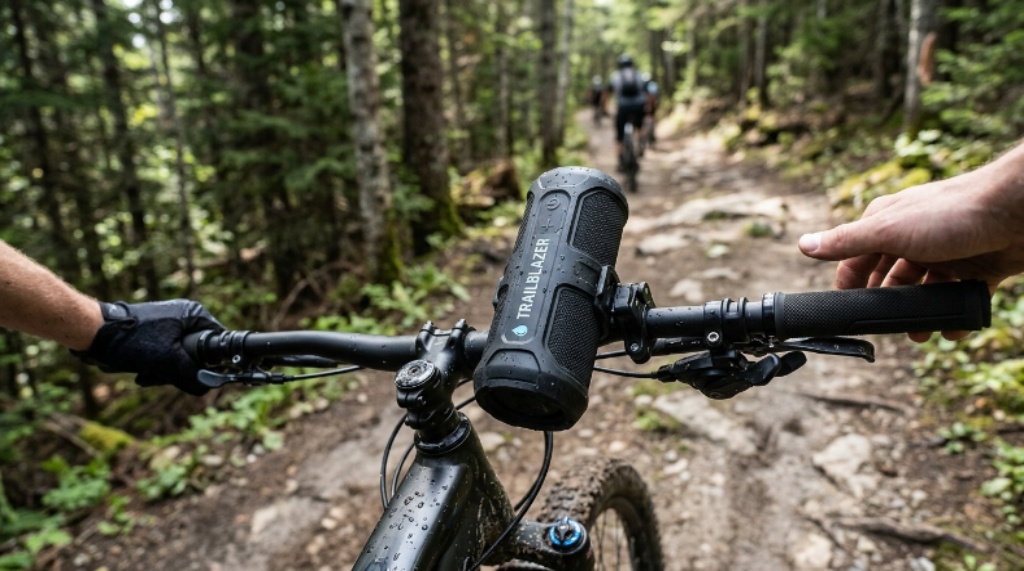
Big speakers often sound better, but they also add weight and bulk to your bike. For mountain bikers and cyclists on technical terrain, a lighter, more compact speaker is usually the smarter choice. For casual road cyclists, a slightly larger model may be worth the extra weight if it delivers better audio.
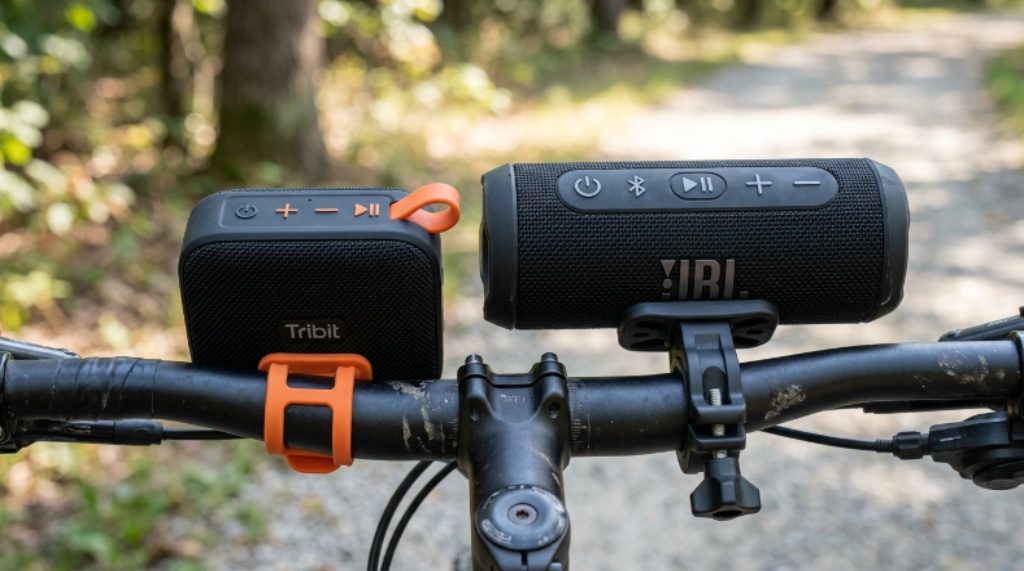
Mounting systems vary widely. Some use rubber straps, others use screw-based clamps, and a few rely on magnetic attachments. Rubber strap systems are easy to install but can slip under vibration. Screw-based clamps hold more securely but take longer to attach and remove.
Consider how often you will move the speaker between bikes. If you own one bike, a permanent mount works well. If you switch bikes regularly, a quick-release system saves significant time.
What Smart Shoppers Always Check Before Buying
Beyond specifications and reviews, smart shoppers look at a few details that often go unnoticed.
First, they check the warranty. A one-year warranty is standard. Two years or more suggests the manufacturer stands behind the product. Second, they look at customer service reputation. A company that responds quickly to problems is far easier to deal with than one that ignores complaints.
Third, they consider software and app support. Some speakers come with companion apps that allow EQ adjustment, firmware updates, and battery monitoring. These extras add long-term value, especially if you plan to use the speaker heavily.
Finally, smart shoppers read the one-star reviews. Not to be discouraged, but to understand the most common failure points. If ten different users report the same issue, that issue is real. If the complaints are scattered and inconsistent, the product is probably reliable overall.
Conclusion
Comparing bike speakers the smart way comes down to focusing on what actually matters during a real ride. Sound quality outdoors, battery life under real conditions, weather resistance, and a secure mounting system are the pillars of a good decision. A careful speaker comparison that uses consistent criteria across all your shortlisted models will always serve you better than buying on impulse.
Additionally, take time to read outdoor-specific reviews, check warranty terms, and understand the return policy before committing. The best bike speaker is not necessarily the most expensive one. It is the one that fits your riding style, your routes, and your daily habits. Shop with those priorities in mind, and you will be very happy on your next ride.
Frequently Asked Questions
What is the most important feature to look for in a bike speaker?
Waterproofing and battery life are the two most critical features. A speaker that cannot handle rain or last through a long ride will let you down when it matters most.
How do I know if a bike speaker will stay mounted on rough trails?
Look for speakers with screw-based or locking clamp systems rather than rubber strap mounts. Additionally, read trail-specific reviews to see how the mounting holds up over bumpy terrain.
Does Bluetooth version really make a difference for bike speakers?
Yes, it does. Bluetooth 5.0 offers a more stable and longer-range connection than older versions. This reduces dropouts, especially when your phone is stored in a bag or pocket.
Can I use a regular portable speaker on my bike?
You can, but it is not ideal. Regular speakers are not designed for vibration, rain, or secure handlebar mounting. A speaker built specifically for cycling will perform and last far better.
How loud should a bike speaker be for road cycling?
For road cycling, aim for a speaker with an output of at least 10 watts. This provides enough volume to hear clearly over wind and moderate traffic without distorting at higher levels.