Fitness culture continues to grow across Los Angeles, CA, and many residents now focus on long-term strength rather than fast results. According to industry reports, nearly 60% of gym injuries happen because of poor lifting progression and rushed weight increases. At the same time, sports medicine experts report that controlled resistance training lowers injury risk and improves joint stability. Many trainers also teach clients about proper resistance levels for leg press because lower-body overload often causes avoidable strain. Therefore, fitness coaches across Los Angeles strongly recommend gradual plate increases to improve safety, consistency, and long-term athletic performance.
Why Gradual Plate Increases Matter in Strength Training
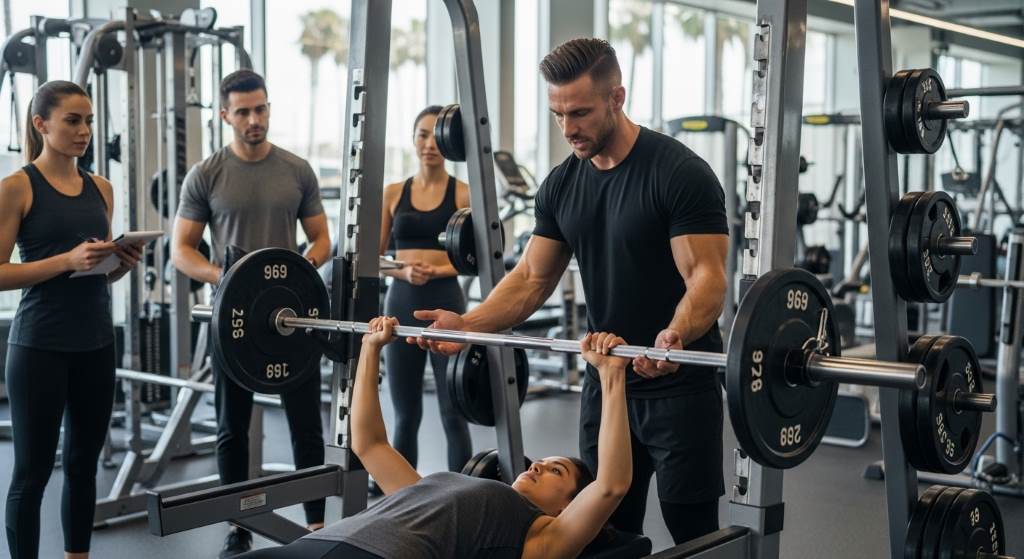
Gradual plate increases help the body adapt to resistance without shocking the muscles or joints. Trainers in Los Angeles often work with clients who want fast changes before beach season or outdoor events. However, quick jumps in weight usually create poor form and unnecessary fatigue. Because of this, coaches prefer steady progression that supports both muscle growth and recovery.
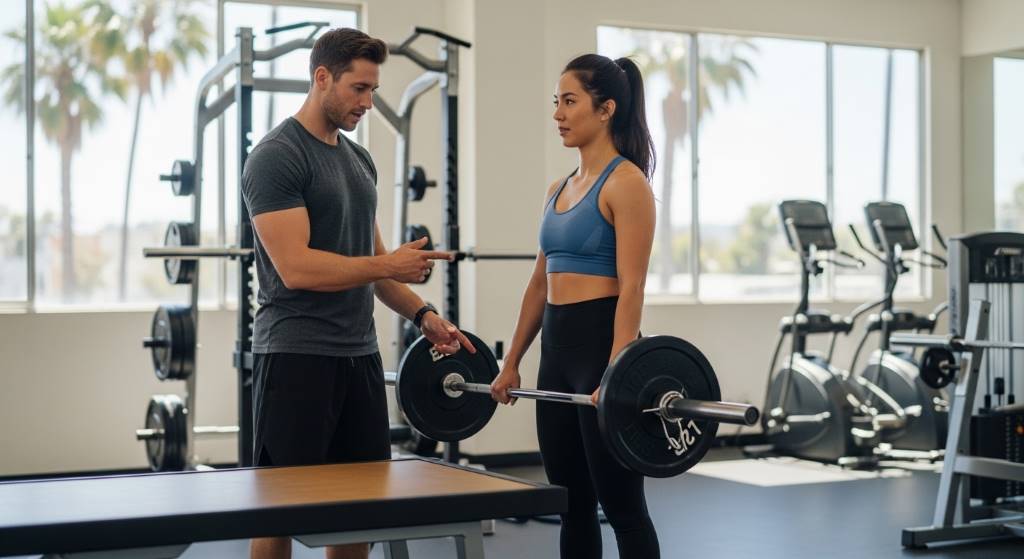
Most experienced coaches add small amounts of weight instead of doubling resistance too quickly. This method gives stabilizer muscles enough time to strengthen along with larger muscle groups. As a result, lifters maintain better posture and avoid uneven force distribution during workouts. Many professionals also combine these methods with fun activities for occupational therapy to improve mobility and coordination.
Los Angeles gyms often attract beginners who feel pressure from social media fitness trends. Unfortunately, viral lifting videos rarely show the preparation behind heavy strength training. Trainers understand that safe progress requires patience and proper mechanics. Therefore, gradual loading protects clients from common shoulder, knee, and lower back injuries.
How Los Angeles Climate Impacts Workout Recovery
The warm climate in Los Angeles creates excellent conditions for outdoor fitness throughout the year. Many residents train at beach gyms, rooftop studios, or outdoor parks under direct sunlight. However, heat exposure increases dehydration risk during intense resistance sessions. Consequently, gradual plate increases become even more important because dehydration affects muscle recovery and joint lubrication.
Fitness coaches often adjust training loads based on seasonal temperatures and air quality levels. During hotter weeks, clients may struggle with fatigue earlier than expected. Therefore, trainers lower volume slightly while maintaining controlled progression. This balanced strategy prevents burnout while supporting consistent gains.
Coaches also notice that dry weather can increase muscle tightness after heavy workouts. Because of this, many programs include extended warm-ups and cooldown routines. Slow progression works well with mobility-focused recovery methods in this environment. As a result, clients stay active without prolonged soreness or stiffness.
The Science Behind Progressive Overload
Progressive overload means increasing training demand slowly over time to improve strength and endurance. Most fitness coaches in Los Angeles rely on this method because it aligns with sports science research. Muscles adapt gradually when resistance rises in controlled amounts. Therefore, small plate increases often create better long-term performance than aggressive jumps.
Research shows that connective tissues adapt more slowly than muscles during resistance training. While muscles may feel ready for heavier weights, tendons and ligaments often remain vulnerable. Consequently, rapid overload increases injury risk despite short-term strength improvements. Trainers prevent this issue by monitoring recovery and adjusting weight carefully.
Coaches also track repetition quality rather than focusing only on the amount lifted. Controlled repetitions indicate that the nervous system can manage the movement efficiently. On the other hand, shaky or rushed reps suggest that progression happened too quickly. Therefore, gradual increases improve movement efficiency while protecting the body.
Benefits of Smaller Weight Increases for Different Fitness Levels
Beginners benefit greatly from slow increases because they still learn movement patterns and breathing control. Many new gym members in Los Angeles start training after long periods of inactivity. Therefore, trainers prioritize consistency and confidence before introducing heavier resistance. This patient approach reduces intimidation and improves workout habits.
Intermediate lifters also gain advantages from gradual progression because plateaus become easier to manage. Instead of chasing dramatic jumps, coaches encourage micro-loading techniques using smaller plates. This strategy improves performance without overwhelming the nervous system. Many professionals combine this with fitness for all tailoring workouts approaches to match body structure and recovery ability.
Advanced athletes use gradual increases to maintain joint health during long training cycles. Heavy lifting places repeated stress on shoulders, hips, knees, and wrists over time. Therefore, elite trainers often prioritize longevity instead of short-term lifting numbers. This method helps athletes stay competitive while avoiding chronic injuries.
Unique Training Challenges in Los Angeles Fitness Culture
Los Angeles has one of the most appearance-focused fitness cultures in the country. Many people feel pressure to achieve rapid physical transformations for entertainment, modeling, or social media careers. Because of this, some individuals attempt unsafe lifting progressions to speed up visible results. Fitness coaches actively counter this mindset through education and structured programming.
A unique issue in Los Angeles involves combining intense strength training with demanding cardio routines. Many clients participate in hiking, surfing, cycling, and outdoor boot camps throughout the week. Therefore, sudden weight increases can overload recovery systems already stressed by high activity levels. Trainers solve this problem through balanced progression schedules and recovery planning.
Another uncommon challenge involves studio-hopping fitness trends across the city. Clients often switch between gyms, classes, and training styles without giving their bodies enough adaptation time. Consequently, inconsistent programming increases strain on joints and connective tissues. Gradual plate increases provide stability even when workout environments change frequently.
Most fitness coaches increase weights in small percentages rather than fixed large jumps. For example, trainers may raise resistance by only 2.5% to 5% each week depending on recovery. This controlled method allows clients to maintain proper form throughout each session. Therefore, progress remains sustainable and measurable.
Many Los Angeles trainers use repetition benchmarks before adding additional plates. Clients must complete a target number of clean repetitions with consistent technique first. Once they achieve that standard comfortably, coaches introduce a small weight increase. This system reduces ego lifting and reinforces movement quality.
Some professionals also rotate intensity levels throughout the month to avoid overtraining. Heavy sessions alternate with lighter recovery-focused workouts for better adaptation. Because of this, the body continues progressing without excessive fatigue buildup. Clients often report improved energy and fewer joint aches with this strategy.
Common Injuries Linked to Rapid Weight Increases
Rapid plate increases commonly lead to shoulder impingement, muscle strains, and lower back pain. These injuries often happen when lifters sacrifice posture to move heavier loads. Trainers in Los Angeles regularly treat clients recovering from these preventable mistakes. Therefore, controlled progression remains a core safety principle in most programs.
Knee injuries also become more common during rushed lower-body training sessions. Squats, deadlifts, and leg presses place heavy pressure on joints when resistance increases too quickly. Consequently, improper loading may create ligament strain or cartilage irritation. Fitness coaches reduce this risk through careful progression and mobility training.
Overtraining creates another hidden problem connected to excessive weight jumps. Clients may experience sleep disruption, chronic soreness, and declining motivation after repeated overload. Therefore, trainers monitor recovery signs as closely as lifting performance. Balanced progression protects both physical and mental health during long-term training.
The Role of Recovery in Safe Strength Development
Recovery supports muscle repair and prepares the body for future progression. Many Los Angeles fitness professionals emphasize sleep quality, hydration, and nutrition alongside workout intensity. Without proper recovery, even moderate weight increases can become unsafe. Therefore, trainers create programs that balance challenge with restoration.
Hydration becomes especially important in Southern California because of heat exposure and outdoor activity. Even mild dehydration reduces muscle performance and increases fatigue during resistance training. Consequently, coaches encourage electrolyte support and consistent water intake before workouts. These habits improve performance while lowering injury risk.
Mobility work also plays a major role in gradual progression programs. Stretching and controlled movement exercises improve joint range and muscle elasticity. As a result, clients maintain better lifting mechanics while increasing resistance over time. Trainers often include foam rolling and dynamic warm-ups before heavy sessions.
How Technology Supports Gradual Strength Progression
Modern fitness technology helps coaches track progression more accurately than ever before. Many Los Angeles gyms use wearable devices and performance apps to monitor recovery and training output. This data helps trainers determine when clients should increase resistance or reduce intensity. Therefore, progression becomes more personalized and precise.
Video analysis tools also allow coaches to review lifting mechanics frame by frame. Small technique flaws often appear before injuries develop during heavier lifts. Consequently, trainers can correct movement patterns early through smaller progression adjustments. This technology-driven approach improves both safety and performance.
Some coaches even use velocity-based training methods for advanced athletes. These systems measure bar speed to evaluate fatigue and lifting efficiency in real time. When movement speed declines significantly, trainers delay heavier plate increases temporarily. This method prevents overloading while maintaining consistent development.
Why Long-Term Consistency Beats Fast Results
Many successful athletes understand that sustainable progress matters more than rapid transformation. Fitness coaches across Los Angeles teach clients to focus on long-term movement quality and recovery habits. Quick results may look appealing initially, but injuries often interrupt aggressive programs. Therefore, gradual progression creates more dependable success over time.
Consistent training also improves confidence because clients feel stronger without constant pain or exhaustion. Small achievements accumulate steadily and reinforce positive habits. As a result, individuals stay committed to fitness instead of quitting after setbacks. Trainers believe this mindset creates healthier relationships with exercise.
Long-term progression additionally supports better aging and mobility later in life. Strong joints and balanced movement patterns reduce the likelihood of chronic pain conditions. Therefore, gradual plate increases benefit both athletic performance and daily function. Many older adults in Los Angeles now follow strength programs built around this principle.
Conclusion
Fitness coaches in Los Angeles, CA recommend gradual plate increases because safe progression protects joints, improves consistency, and supports lasting results. Controlled overload allows muscles, tendons, and the nervous system to adapt together without unnecessary strain. This strategy works especially well in Los Angeles because the active outdoor lifestyle and warm climate can intensify recovery demands. Many professionals also encourage clients to explore resources like why you should hire a personal trainer to build smarter training habits. If you want stronger performance with fewer injuries, start using gradual progression methods in your workouts today.
FAQs
Why do fitness coaches prefer gradual plate increases?
Gradual increases help the body adapt safely while reducing the risk of injury.
How much weight should beginners add each week?
Most beginners should increase resistance by small amounts between 2.5% and 5% weekly.
Does hot weather affect strength training recovery?
Yes, dehydration and heat exposure can slow recovery and increase fatigue during workouts.
Can gradual progression improve workout consistency?
Yes, controlled progression reduces soreness and injuries, which helps people stay consistent.
Do advanced athletes still use gradual plate increases?
Yes, experienced athletes use slow progression to protect joints and maintain long-term performance.