Knee pain is a common issue that affects millions of people worldwide. Whether caused by injury, aging, or medical conditions like arthritis, it can significantly impact your quality of life. While surgery may seem like the only solution for severe knee pain, many effective non-surgical treatments exist that can help relieve pain and improve mobility. In this guide, we’ll explore how to relieve knee pain without surgery, offering you simple yet powerful strategies to manage discomfort at home.
Knee pain can be caused by a variety of factors. The most common causes include:
Osteoarthritis: Degeneration of cartilage in the knee joint.
Injuries: Sprains, strains, ligament tears, or meniscus tears.
Overuse: Repeated stress on the knees from activities like running or jumping.
Rheumatoid arthritis: An autoimmune disorder causing inflammation in the knee joints.
Understanding the underlying cause is crucial in finding the right non-surgical treatments for your condition.
What Are the Best Ways to Relieve Knee Pain Without Surgery?
Several home remedies and lifestyle changes can help reduce knee pain and promote healing without requiring surgery. Here are some of the most effective:
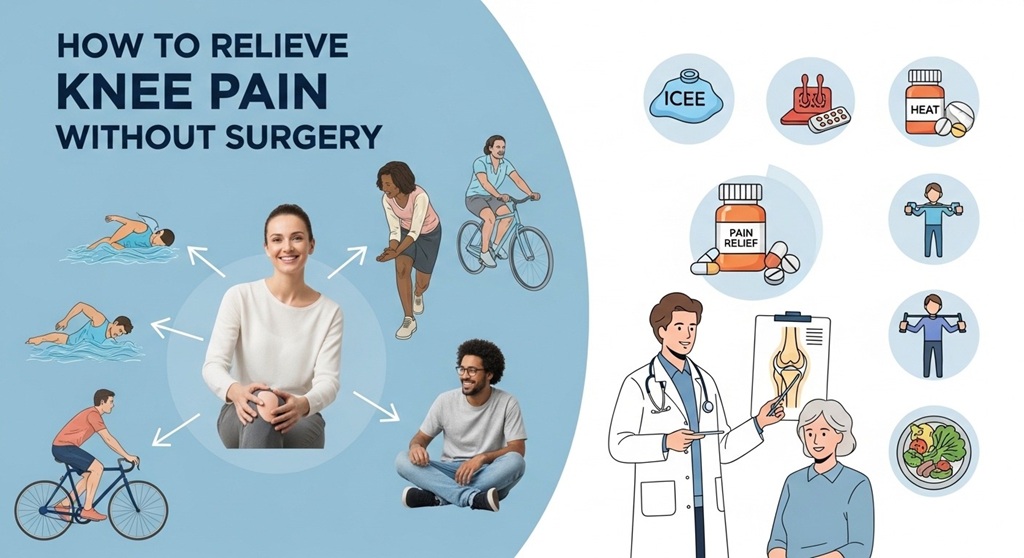
Rest and Ice: Allow your knee to heal by reducing activity and applying ice to the affected area for 15-20 minutes every 2-3 hours.
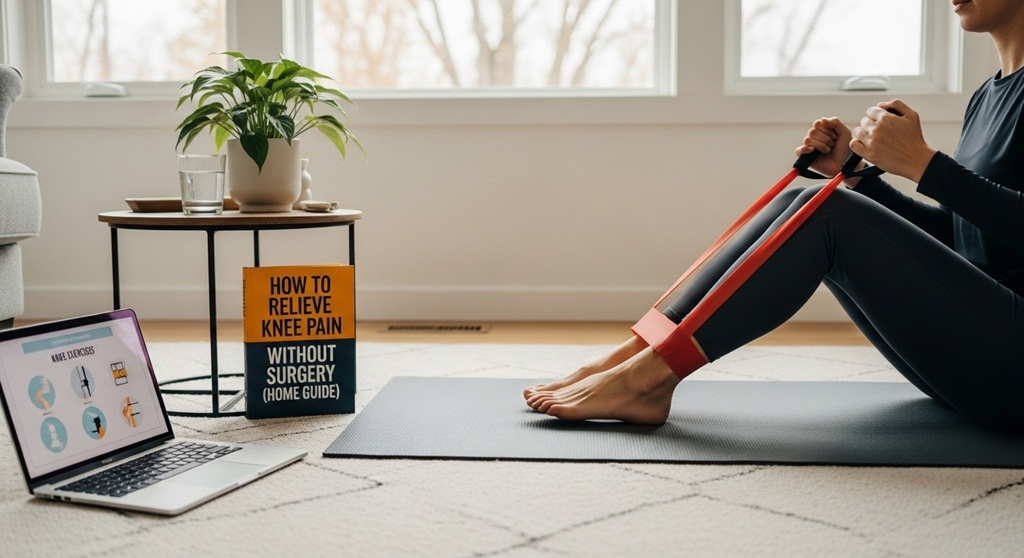
Physical Therapy: Targeted exercises strengthen the muscles around the knee joint, improving stability and reducing pain.
Anti-inflammatory Medications: Nonsteroidal anti-inflammatory drugs (NSAIDs) like ibuprofen can help reduce inflammation and alleviate pain.
Knee Braces or Supports: These can provide extra support and help alleviate pressure on the knee joint.
Weight Management: Maintaining a healthy weight can reduce strain on the knees and prevent further damage.
How Can Exercise Help Relieve Knee Pain?
Exercise is one of the most effective ways to reduce knee pain and improve function. Specific exercises can help strengthen the muscles that support the knee joint, reduce stiffness, and improve flexibility.
Some recommended exercises for knee pain relief include:
Quadriceps Strengthening: Simple exercises like straight leg raises target the quadriceps, which are key muscles in stabilizing the knee.
Hamstring Stretching: Regularly stretching the hamstrings helps maintain flexibility and reduces strain on the knees.
Low-impact activities: Activities such as swimming, cycling, and walking are great for improving knee function without putting excess stress on the joint.
Be sure to consult with a physical therapist to create a personalized exercise plan tailored to your needs.
Can Supplements Help Relieve Knee Pain?
Some nutritional supplements may help reduce knee pain and support joint health. These include:
Glucosamine and Chondroitin: These compounds are found naturally in cartilage and are often used to help with osteoarthritis.
Turmeric: Known for its anti-inflammatory properties, turmeric may help reduce pain and inflammation in the knee joint.
Omega-3 Fatty Acids: Found in fish oil, these can help reduce inflammation and support overall joint health.
Before taking any supplements, consult with your healthcare provider to ensure they are safe and appropriate for your specific condition.
What Are the Benefits of Heat Therapy for Knee Pain?
Heat therapy can be beneficial for knee pain by increasing blood flow, relaxing muscles, and reducing stiffness. You can use a hot water bottle or heating pad for 15-20 minutes to relieve discomfort.
Heat is especially effective for chronic knee pain caused by conditions like arthritis. It helps soothe aching joints and muscles. However, if you have swelling, it’s better to use ice first and heat later.
Is Weight Loss Effective for Relieving Knee Pain?
If you’re overweight, losing even a small amount of weight can significantly reduce knee pain. Every extra pound you carry puts added pressure on your knees, increasing the risk of joint degeneration.
Studies have shown that weight loss can decrease the likelihood of developing knee osteoarthritis and improve outcomes for individuals with existing knee pain. A healthy diet combined with regular physical activity is key to managing weight effectively.
What Role Does Stretching Play in Knee Pain Relief?
Stretching helps improve flexibility and reduce tightness in the muscles around the knee joint. When the muscles are tight, they can increase stress on the knee and contribute to pain. Regular stretching can help:
Increase range of motion in the knee.
Relieve tension in muscles that may be pulling on the knee joint.
Reduce stiffness, which is common in conditions like arthritis.
Focus on gentle stretches that target the quadriceps, hamstrings, and calves to keep your knees flexible and pain-free.
Can Alternative Therapies Help with Knee Pain?
Alternative therapies such as acupuncture, massage therapy, and chiropractic treatments have shown promise in relieving knee pain, particularly when combined with other treatments.
Acupuncture: Fine needles are inserted into specific points of the body to relieve pain and reduce inflammation.
Massage Therapy: Massage can reduce muscle tension, improve circulation, and promote healing in the knee area.
Chiropractic Care: Chiropractic adjustments may help restore proper alignment in the knee joint and improve mobility.
These therapies can be effective for managing knee pain, particularly for those with chronic conditions like osteoarthritis.
When Should You Consider Surgery for Knee Pain?
While surgery is not the first option for relieving knee pain, it may become necessary if other treatments are ineffective. If knee pain persists despite non-surgical methods, or if you experience significant joint damage, surgery may be the next step.
Common knee surgeries include:
Arthroscopy: A minimally invasive surgery to repair or remove damaged tissue in the knee.
Partial or Total Knee Replacement: Surgical options for severely damaged knees, where the damaged joint is replaced with an artificial one.
However, surgery should only be considered after exhausting other options and consulting with your doctor.
Conclusion: How to Relieve Knee Pain Without Surgery
Relieving knee pain without surgery is possible through a combination of rest, exercise, weight management, and various home remedies. Whether you opt for physical therapy, anti-inflammatory medications, or alternative therapies, there are plenty of options to help you manage your knee pain effectively. Start by assessing the severity of your knee pain and consult with your healthcare provider to determine the best non-surgical treatments for you.
If you’re ready to take control of your knee pain, try incorporating these strategies into your routine today. For further guidance or personalized treatment plans, don’t hesitate to reach out to a healthcare professional or physical therapist.
Frequently Asked Questions (FAQ)
Can knee pain be relieved without surgery?
Yes, many non-surgical treatments like physical therapy, rest, ice, and pain relievers can help relieve knee pain effectively. Consult with a healthcare provider for personalized treatment options.
What is the fastest way to relieve knee pain at home?
Rest, ice application, and anti-inflammatory medications can provide fast relief. A knee brace or support can also help stabilize the joint.
How can I prevent knee pain in the future?
Maintaining a healthy weight, exercising regularly, and practicing good posture can prevent knee pain. Avoid repetitive high-impact activities that strain the knee joint.
Are supplements effective for knee pain relief?
Supplements like glucosamine, chondroitin, and omega-3 fatty acids may help with knee pain, especially in cases of arthritis. Always consult your doctor before taking supplements.
What exercises are good for knee pain relief?
Low-impact exercises like swimming, cycling, and walking, along with specific strengthening exercises for the quadriceps and hamstrings, are beneficial for knee pain relief.
Can heat therapy help with knee pain?
Heat therapy can help reduce stiffness and improve blood circulation, making it useful for chronic knee pain, but it should be avoided if swelling is present.
Is surgery the only option for severe knee pain?
No, surgery is generally considered a last resort. Most knee pain can be managed effectively through non-surgical treatments like physical therapy and pain management.