Africa’s healthcare industry is changing fast. New technologies, growing populations, and shifting health priorities are pushing the continent toward bold solutions. One event stands at the centre of this transformation. The World Health Expo, widely known as WHX Johannesburg, is set to bring together healthcare professionals, innovators, and decision-makers from across the globe. If you are planning to attend, exhibit, or simply want to understand what this event offers, this guide covers everything you need to know.
What Is WHX Johannesburg 2026?
WHX Johannesburg 2026 is Africa’s leading healthcare exhibition and conference. It is organised under the World Health Expo brand, which is part of Informa Markets. The event was previously known as Africa Health, a name that many healthcare professionals across the continent will recognise. After two successful editions in Cape Town, the expo is returning to Johannesburg, which has long been considered the commercial hub of African healthcare.
The return to Johannesburg is significant. It signals a shift toward greater scale and accessibility. Johannesburg sits at the crossroads of major transport routes and business networks, making it easier for attendees from across Africa and the rest of the world to attend. Therefore, this edition is expected to draw a larger and more diverse crowd than previous years.
When and Where Is the Event Taking Place?
The event runs from Tuesday, 6 October to Thursday, 8 October 2026. The venue is the Gallagher Convention Centre, located in Midrand, Gauteng. This is a well-known facility that has hosted many large-scale trade events over the years. Its spacious halls and modern infrastructure make it well suited for an event of this size.
The opening hours are as follows:
- Tuesday, 6 October: 9am to 5pm
- Wednesday, 7 October: 9am to 5pm
- Thursday, 8 October: 9am to 4pm
Midrand is conveniently positioned between Johannesburg and Pretoria. It offers easy access via major highways and is served by the Gautrain rapid transit system. Visitors also have access to Uber, Bolt, and car rental options in the area. The South African Rand (ZAR) is the local currency, and currency exchange services are available on arrival.
The Journey from Africa Health to World Health Expo
Understanding the rebranding helps put the event in context. Africa Health was the original name of the exhibition. Over the years, it grew into one of the most important healthcare gatherings on the continent. However, as the event expanded its global reach and ambitions, the organisers transitioned the brand to World Health Expo, commonly shortened to WHX.
This change was not merely cosmetic. It reflected a broader vision to connect African healthcare stakeholders with international partners, suppliers, and investors. The core purpose, however, has remained constant: to serve as the premier platform where the healthcare industry meets, trades, and grows. Attendees familiar with Africa Health will find the same welcoming spirit and industry focus, but with an elevated scope and wider participation.
What to Expect at WHX Johannesburg 2026
The programme is designed to serve multiple audiences. Whether you are a clinician, a hospital administrator, a technology startup, or a global medical device manufacturer, the event has something relevant for you. The agenda blends exhibition, education, and business development into a single immersive experience.
The Exhibition Floor
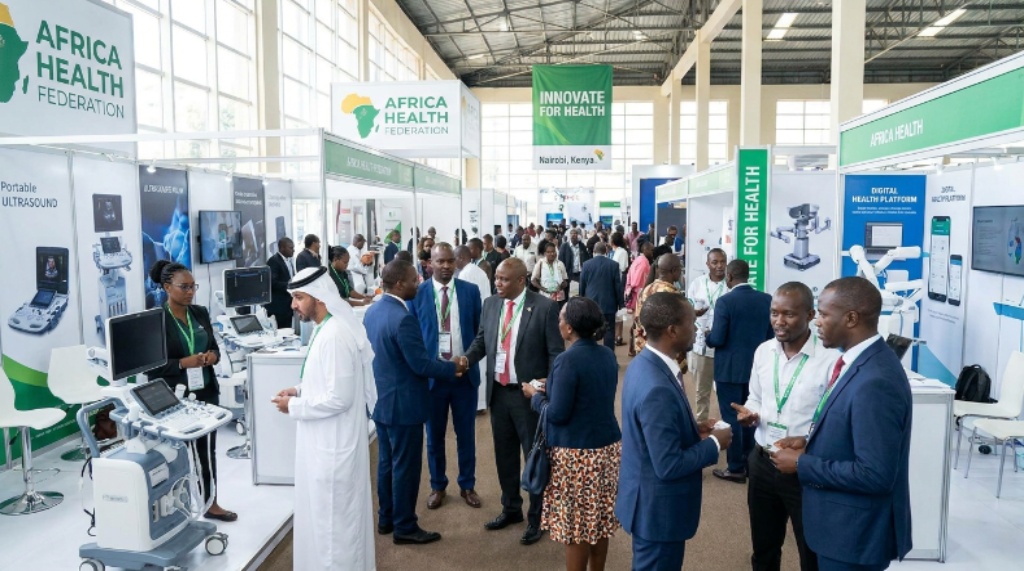
The exhibition is the centrepiece of the event. With over 600 exhibitors expected, the floor will showcase innovations across a wide range of healthcare sectors. Products and services on display will span medical devices and equipment, diagnostics and laboratory technologies, pharmaceutical products and biotechnologies, digital health and telehealth platforms, mobile diagnostics and point-of-care tools, and wellness solutions.
This diversity reflects the complexity of Africa’s healthcare needs. Suppliers from both local and international markets will be present. Additionally, buyers, procurement officers, and health system managers will be actively looking to source, invest in, and partner with exhibitors. The expo therefore functions as a live marketplace where deals can be initiated and relationships can be built.
Conferences and Knowledge Sessions
Education is a core pillar of the event. The conference programme includes CME-accredited sessions, making it directly relevant to practicing clinicians who need to maintain their professional development requirements. Thought leaders and subject matter experts are scheduled to deliver keynote speeches, panel discussions, and workshops on some of the most pressing topics in global and African healthcare.
Key themes include public health policy and system strengthening, medical research and clinical innovation, supply chain resilience in low- and middle-income settings, the integration of artificial intelligence in clinical environments, investment trends in healthcare across emerging markets, and the future of diagnostics and laboratory medicine, including responses to workforce shortages.
These sessions are not just informational. They are designed to equip practitioners and decision-makers with actionable insights they can take back to their organisations. The knowledge-sharing element makes attendance valuable even for those who are not actively sourcing products.
Networking Opportunities
Perhaps the most underrated benefit of attending a large expo is the access it provides to a concentrated pool of peers and potential collaborators. WHX Johannesburg is structured to encourage these connections. Organised networking events, meet-the-buyer sessions, and informal gatherings on the exhibition floor all create opportunities to form partnerships that might take months to establish through other channels.
Who Are the Exhibitors?
The exhibitor base at WHX Johannesburg is genuinely international. Companies from across Europe, Asia, North America, and Africa participate. National pavilions are a common feature, where groups of companies from a single country present under a shared banner. For instance, the German Pavilion is managed by LMI – Leipziger Messe International GmbH under the Federal Ministry for Economic Affairs and Energy’s trade fair programme. UK companies are supported by the Association of British HealthTech Industries (ABHI), which organises a dedicated UK Pavilion.
These national groupings make it easier for smaller companies to access the event with shared logistical and promotional support. They also allow buyers to engage with multiple suppliers from the same market in one location.
From a sector perspective, exhibitors fall into broad categories that reflect the full spectrum of modern healthcare. Medical equipment and device manufacturers sit alongside diagnostics companies, software developers building health information systems, pharmaceutical distributors, and providers of hospital management tools. This breadth ensures that the event is useful to a wide variety of healthcare stakeholders.
Why Johannesburg Makes Sense as the Host City
The decision to return to Johannesburg was deliberate. Cape Town served the event well, but Johannesburg offers distinct advantages in terms of scale and connectivity. As South Africa’s economic capital, it hosts the headquarters of many major healthcare companies operating on the continent. It is also home to a large network of hospitals, clinics, and health technology firms.
Furthermore, Johannesburg’s position as a regional hub means that international visitors flying in from Europe, the Middle East, or North America have convenient flight connections. The Gallagher Convention Centre itself is a trusted venue with a strong track record for hosting trade exhibitions. Its location in Midrand, equidistant between Johannesburg and Pretoria, gives it a neutral and accessible quality that works well for large business events.
From a cultural perspective, visitors will find plenty to explore beyond the convention centre. Sandton City and Nelson Mandela Square offer dining, shopping, and cultural experiences that make the trip worthwhile for international delegates.
Key Insights for Attendees and Exhibitors
Whether you are attending for the first time or are a returning participant, a few practical points can help you get more from the experience.
For attendees, planning your conference schedule in advance is important. The programme across three days is dense, and sessions often run concurrently. Identifying the keynotes and workshops most relevant to your field before you arrive will help you manage your time effectively. Additionally, setting up meetings with exhibitors beforehand, rather than relying on chance encounters on the floor, tends to yield more productive conversations.
For exhibitors, the move back to Johannesburg means a larger potential footfall. However, the competition for attention is also higher. Having clear objectives, well-trained stand staff, and a structured follow-up plan before the event opens will significantly improve your return on investment. The expo organisers offer tools and resources to help exhibitors maximise their presence, including the Exhibitor Brochure, which outlines audience profiles and business outcomes.
It is also worth noting that the organisers have a firm stance on data privacy. WHX has stated clearly that it will never sell or provide attendee data to third parties. Any external party claiming to offer attendee lists should be treated as fraudulent.
The Broader Significance of WHX Johannesburg 2026
Africa’s healthcare sector is at a pivotal moment. Population growth, urbanisation, and a rising middle class are driving demand for better health services. At the same time, public health systems face resource constraints and infrastructure gaps. Private sector innovation, combined with international investment and knowledge transfer, is increasingly seen as part of the solution.
Events like WHX Johannesburg play a meaningful role in this ecosystem. They bring together the people who build health systems, the companies that supply them, and the policymakers who shape them. The conversations that happen on the exhibition floor and in conference rooms often lead to real partnerships and procurement decisions that affect patient care across the continent.
The 2026 edition arrives at a particularly important time. Artificial intelligence is beginning to make inroads into clinical decision-making. Telehealth has demonstrated its value in reaching underserved populations. Supply chain resilience has become a top priority following the disruptions of recent years. All of these themes are central to the WHX Johannesburg programme, making the event timely and highly relevant.
Conclusion
WHX Johannesburg 2026 is more than a trade show. It is a focused gathering of people who are working to improve healthcare across Africa and beyond. Taking place from 6 to 8 October 2026 at the Gallagher Convention Centre in Midrand, the event builds on the strong legacy of Africa Health while embracing a wider global vision under the World Health Expo brand. With over 600 exhibitors, a rich conference programme covering topics from AI integration to public health policy, and a venue chosen for its accessibility and scale, the expo offers genuine value to clinicians, suppliers, investors, and health system leaders alike. Whether you attend for the education, the business opportunities, or the networking, WHX Johannesburg 2026 is an event worth planning for.
Frequently Asked Questions
What does WHX stand for?
WHX stands for World Health Expo. It is the rebranded name for the event previously known as Africa Health, which has been a leading healthcare exhibition and conference in Africa for many years.
Is registration free for attendees?
General visitor registration to the exhibition floor is typically free of charge. However, access to specific conference sessions, workshops, or CME-accredited programmes may require a separate registration or fee. It is advisable to check the official World Health Expo website for the latest registration details.
Who should attend WHX Johannesburg 2026?
The event is designed for a broad healthcare audience. This includes clinicians, nurses, hospital administrators, procurement officers, health technology professionals, investors, policymakers, and medical equipment suppliers. Anyone involved in the healthcare ecosystem in Africa or looking to enter the African market would benefit from attending.
How can a company apply to exhibit at WHX Johannesburg 2026?
Companies interested in exhibiting can download the Exhibitor Brochure from the official World Health Expo website. For UK-based companies, the Association of British HealthTech Industries (ABHI) manages the UK Pavilion and can be contacted directly for participation enquiries.
How does WHX Johannesburg 2026 differ from previous editions?
The 2026 edition marks a return to Johannesburg after two years in Cape Town. This shift brings greater scale and accessibility, particularly for exhibitors and attendees from across sub-Saharan Africa. The event also operates under the expanded World Health Expo brand, reflecting its broader global ambitions while maintaining its core focus on African healthcare.