The world’s most influential public health event is coming to Africa for the first time. From September 6 to 9, 2026, Cape Town, South Africa will host the 18th World Congress on Public Health (WCPH). This is a landmark moment. It brings together researchers, policymakers, advocates, and students from across the globe under one roof. Whether you are a first-time attendee or a returning delegate, this guide covers everything you need to know before you arrive.
The World Congress on Public Health is a biennial event organised by the World Federation of Public Health Associations (WFPHA). It is widely regarded as the premier global gathering for public health professionals. Each edition rotates between different regions of the world, creating space for diverse voices and fresh perspectives.
Previous congresses have taken place in cities like Rome, Dubai, and Melbourne. However, 2026 marks a historic milestone. This will be the first time the Congress is held in Southern Africa. That alone makes it a truly special occasion for the global health community.
The event is co-hosted by the Public Health Association of South Africa (PHASA). Their local expertise ensures the Congress reflects the realities of health on the African continent. Additionally, it guarantees a rich programme with regional insights woven into every session.
Theme: Health Without Borders
The central theme of WCPH 2026 is “Health Without Borders: Equity, Inclusion, and Sustainability.” This theme is both timely and necessary. It responds to a world shaped by conflict, rising inequality, climate pressures, and persistent health disparities.
The phrase “health without borders” goes beyond geography. It challenges systemic barriers that prevent people from accessing quality care. It calls on governments, institutions, and communities to act together. Therefore, every session, workshop, and plenary at the Congress is designed to explore practical solutions to these shared challenges.
Equity, inclusion, and sustainability are not simply buzzwords. They serve as the three pillars guiding all discussions at the event. Delegates can expect sessions that tackle these topics from scientific, political, and grassroots perspectives alike.
Venue and Location: Cape Town, South Africa
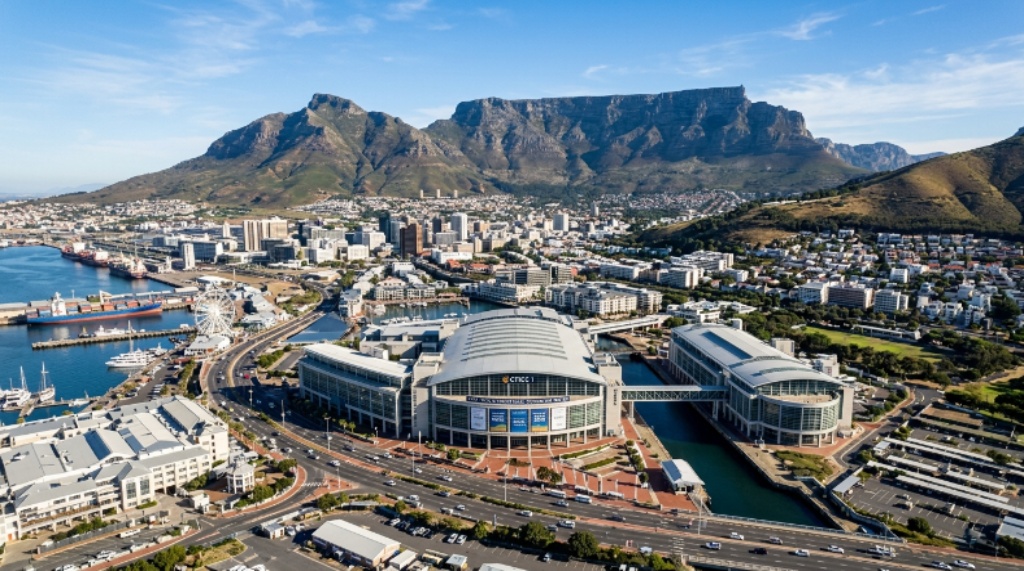
The Congress will be held at the Cape Town International Convention Centre (CTICC). This is one of Africa’s most modern and well-equipped conference facilities. It offers state-of-the-art technology, multiple plenary halls, and excellent accessibility for international visitors.
Cape Town itself is a vibrant city with a rich cultural history and stunning natural surroundings. It is easily accessible via Cape Town International Airport, with direct flights from major hubs across Europe, Asia, and the Americas. The CTICC is well served by public transport, taxis, and airport shuttle services.
The city’s diversity mirrors the spirit of the Congress itself. It is a place where communities of many different backgrounds coexist. Attending the Congress, therefore, means experiencing both a world-class scientific programme and one of the most captivating cities on earth.
Key Dates Every Attendee Should Know
Planning ahead makes your experience far smoother. Here are the most important dates to keep in mind:
Abstract submission deadline: 31 January 2026
Notification of acceptance: 1 March 2026
Early-bird registration closes: 30 April 2026
Regular registration closes: 31 July 2026
On-site registration opens: August 2026
Congress dates: 6–9 September 2026
If you plan to submit research or present at the event, the January deadline is critical. Accepted abstracts will be published in the Congress Abstracts Book through the Population Medicine journal. All submissions go through rigorous peer review by the International Scientific Committee.
The Scientific Programme: What to Expect
The WCPH 2026 programme is both wide and deep. It covers virtually every dimension of modern public health. Sessions range from highly technical research presentations to interactive policy discussions and hands-on workshops.
Plenary Sessions
Eight plenary sessions form the backbone of the Congress. Each one features internationally recognised speakers representing voices from both the Global North and Global South. The topics covered include:
Equity and Health
Economics of Democracy and Public Health
International Law and Global Treaties in Public Health
Primary Health Care and the Health Workforce for Sustainable Health Equity
Public Health in Conflict, War, and Peace Building
Restoring Balance: Indigenous Knowledge Systems and Decolonising Global Health
One Health in a Changing World
Imagining the Future of Public Health
These sessions are designed to spark bold thinking. They go beyond presenting data. They ask difficult questions about power, justice, and the direction of global health systems.
Scientific Tracks
Beyond the plenaries, the Congress runs multiple scientific tracks. Each track focuses on a specific area of public health. Abstracts and organised sessions are submitted under these tracks to ensure strong thematic alignment.
Topics covered include social security and health insurance, occupational health, surveillance and evaluation, health impact assessments, and much more. This structured approach ensures that delegates can navigate the programme efficiently. They can focus on the areas most relevant to their work.
Workshops, Panel Discussions, and Oral Presentations
Interactive workshops give attendees the chance to develop practical skills. Panel discussions encourage honest debate among experts with different viewpoints. Oral and poster presentations let researchers share their findings with a global audience.
Together, these formats create a dynamic environment. Sitting through lectures is only one small part of the experience. Much of the real value comes from conversations that happen inside and outside the formal sessions.
Who Should Attend?
The Congress welcomes a wide range of participants. You do not need to be a senior academic to attend. The event is designed for:
Public health practitioners and clinicians
Researchers and academics
Policymakers and government officials
Non-governmental and civil society organisations
Students and early-career professionals
Health advocates and community leaders
Funding agencies and private sector partners
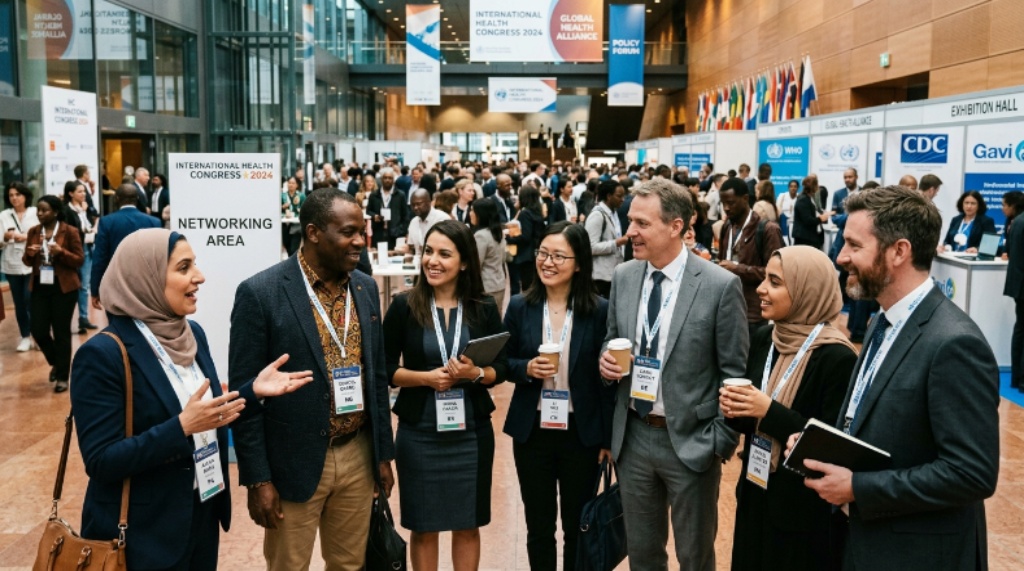
Over 2,000 delegates are expected to attend. That diversity of background and expertise is one of the Congress’s greatest strengths. Conversations between a field worker from West Africa and a policymaker from Scandinavia, for example, can produce ideas that neither would reach alone.
Networking and Mentorship Opportunities
Networking is a core feature of the WCPH experience. Social events are organised throughout the four days to help attendees connect informally. These moments often lead to lasting collaborations, joint research projects, and new friendships across borders.
Additionally, WCPH 2026 offers a structured Mentorship Programme. This is aimed at students and early-career professionals under 35 years of age, or those within 10 years of completing a Master’s or PhD in public health. The programme is free of charge. However, places are limited to approximately 70 mentees and are allocated on a first-come, first-served basis.
The mentorship experience runs from April 2026 through to the Congress itself. It is primarily delivered online, making it accessible to participants across different time zones. Mentors and mentees may also meet in person during the Congress in Cape Town.
Registration: Fees, Categories, and Practical Details
Registration is available online through the official Congress website. Fees vary depending on your professional status and the income classification of your country. Concessions are available for students and attendees from low- and middle-income countries, reflecting the Congress’s commitment to inclusion.
Early-bird rates are available until 30 April 2026. Registering early is strongly recommended. It saves money and guarantees your place before demand increases closer to the event.
Your registration fee covers access to all sessions, exhibitions, Congress materials, light lunches, and coffee breaks throughout the four days. Free Wi-Fi will be available at the CTICC for all attendees.
One important note: sessions will not be recorded or live-streamed. Therefore, attending in person is the only way to fully participate in the programme.
Travel Grants and Financial Support
The cost of international travel can be a barrier for many public health professionals, especially those from lower-income countries. WCPH 2026 recognises this. A limited number of travel grants will be available for eligible applicants.
To qualify, applicants must have a submitted and accepted abstract. Full eligibility criteria are published on the official Congress website. Applying early is advisable, as the number of grants is limited.
Beyond travel grants, the Congress has partnered with several Cape Town hotels to offer special accommodation rates for registered delegates. Visa invitation letters are also available for those who need them to secure entry into South Africa.
Going Green: The Congress’s Sustainability Commitment
In keeping with its theme of sustainability, WCPH 2026 will operate as a Green Congress. Organisers are committed to reducing the event’s environmental footprint in several ways. These include minimising plastic use, distributing materials digitally rather than in print, and sourcing food and catering locally and ethically.
This commitment reflects a broader understanding. Public health professionals cannot advocate for environmental action on a global stage while ignoring the environmental cost of their own gathering. The Congress therefore models the values it promotes.
Why Cape Town and Why Now?
The decision to hold the Congress in Southern Africa is deeply meaningful. For the first time, African voices will be at the centre of the global public health conversation, not as guests but as hosts. This shift matters. It challenges long-standing patterns in how global health knowledge is produced and shared.
South Africa itself has a complex and instructive health history. It has fought major battles against HIV/AIDS, tuberculosis, and, more recently, COVID-19. It also faces significant challenges related to inequality and access to care. These realities will inform the Congress in ways that no other host city could replicate.
Additionally, holding the event in Cape Town increases accessibility for delegates from across Africa and the Global South. It reduces travel distances for a large portion of the world’s public health workforce. That is both practical and symbolic.
Conclusion
The 18th World Congress on Public Health is set to be one of the most important global health gatherings of the decade. It takes place from September 6 to 9, 2026, at the Cape Town International Convention Centre in South Africa. Organised by the WFPHA and co-hosted by PHASA, the event will bring together over 2,000 delegates from around the world.
The theme, “Health Without Borders: Equity, Inclusion, and Sustainability,” sets a bold agenda. Eight plenary sessions, numerous scientific tracks, workshops, and networking events will fill the four-day programme. Early-bird registration is open until 30 April 2026, and travel grants are available for eligible applicants.
Whether you are a seasoned researcher, a practising clinician, or a student just starting your public health journey, this Congress offers something meaningful. It is a chance to learn, connect, and contribute to the global effort of building healthier, fairer societies for everyone.
Frequently Asked Questions
When and where is the World Congress on Public Health 2026?
The Congress takes place from September 6 to 9, 2026, at the Cape Town International Convention Centre (CTICC) in Cape Town, South Africa.
Who can attend the WCPH 2026?
The Congress is open to public health professionals, researchers, policymakers, students, civil society organisations, and health advocates from around the world. Anyone with an interest in global health is welcome to register.
Are there reduced registration fees for students or delegates from low-income countries?
Yes. Concessions are available for students and attendees from low- and middle-income countries. Fee structures vary by professional status and country classification. Early-bird rates apply until 30 April 2026.
Will sessions be available online or live-streamed?
No. Sessions will not be recorded or live-streamed. In-person attendance is the only way to access the full programme.
How can early-career professionals get involved beyond just attending?
WCPH 2026 offers a free Mentorship Programme for students and early-career professionals under 35 years of age. Participants can also submit abstracts for oral or poster presentations and apply for travel grants if their abstract is accepted.