Austin homeowners are increasingly turning to natural insect repellents as concerns about chemical exposure continue to rise. Studies show that nearly 60% of U.S. households now prefer plant-based pest control solutions over synthetic options. However, many still question their real safety and effectiveness, especially in a warm, humid climate like Austin. One common concern people search for is whether certain ingredients pose hidden risks, such as is citronella toxic to humans. Understanding how these natural products behave indoors is essential for making informed choices. This article breaks down the safety, benefits, and limitations of natural insect repellents in Austin homes.
Why Austin Homes Face Unique Pest Challenges
Austin’s climate creates ideal conditions for insects to thrive year-round. Warm temperatures combined with seasonal humidity encourage mosquitoes, ants, and cockroaches to multiply quickly. Homes near green spaces or water sources often experience higher pest activity, especially during spring and summer. As a result, residents frequently look for safer ways to control infestations without exposing families to harsh chemicals. Natural repellents seem like a practical alternative in this situation. However, their effectiveness depends heavily on how they are used and what pests they target.
Unlike colder regions, Austin does not have long winters to reduce insect populations naturally. This means pest control must be consistent rather than seasonal. Many homeowners rely on essential oils and plant-based sprays to maintain a pest-free environment. While these options reduce chemical exposure, they often require more frequent application. Therefore, understanding both safety and performance becomes crucial. Choosing the wrong product can lead to ineffective pest control or unnecessary health concerns.
What Are Natural Insect Repellents?
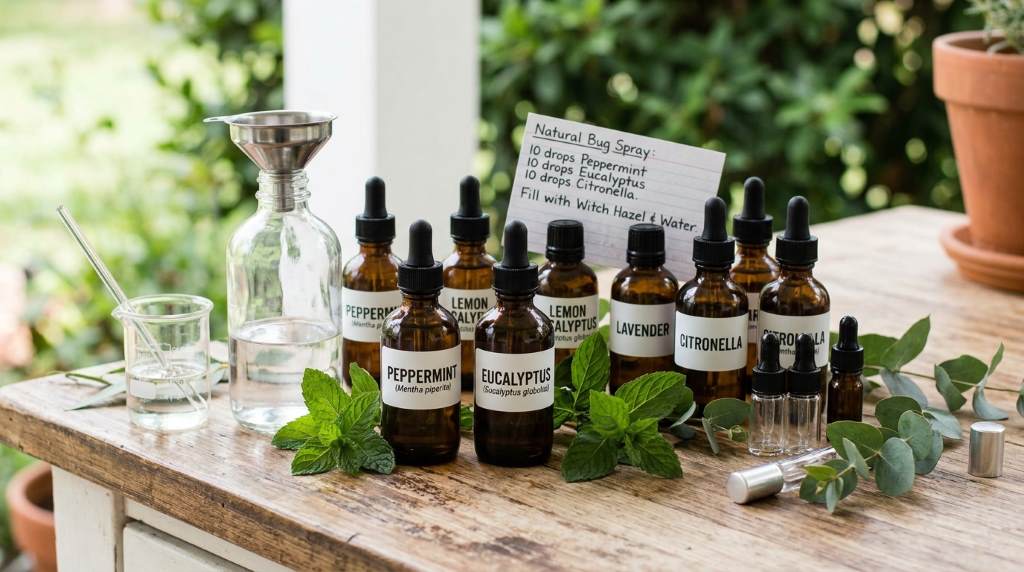
Natural insect repellents use plant-derived ingredients to deter pests instead of killing them. Common components include citronella, eucalyptus, peppermint, neem oil, and lavender. These ingredients work by masking scents that attract insects or by irritating their sensory systems. As a result, pests avoid treated areas without being exposed to toxic chemicals. Many people prefer these products because they seem safer for children and pets. However, “natural” does not always mean completely harmless.
Some natural compounds can still cause allergic reactions or skin irritation. For example, concentrated essential oils may lead to respiratory discomfort when used in enclosed spaces. Additionally, improper dilution can increase the risk of adverse effects. Therefore, homeowners must follow instructions carefully when using these products indoors. Understanding ingredient strength and proper usage helps minimize risks. This awareness ensures both safety and effectiveness in everyday use.
Common Natural Repellents Used in Austin Homes
Essential Oil-Based Repellents
Essential oils remain the most popular choice among Austin residents. Oils like peppermint and tea tree are known for repelling ants and spiders effectively. These oils release strong scents that insects find overwhelming and unpleasant. Homeowners often mix them with water to create sprays for doors, windows, and baseboards. While generally safe, excessive use can cause headaches or irritation in sensitive individuals. Proper ventilation helps reduce these risks significantly.
Citronella Products
Citronella is widely used in candles, sprays, and diffusers. It is especially effective against mosquitoes, which are common in Austin’s humid environment. Many homeowners use citronella candles on patios and near entry points to keep insects away. However, indoor use requires caution due to potential sensitivity issues. Some individuals may experience mild respiratory irritation when exposed to strong concentrations. Moderation and proper placement are key to safe usage.
Neem Oil Solutions
Neem oil acts as both a repellent and mild insecticide. It disrupts insect growth and deters feeding, making it useful for controlling indoor pests. Austin homeowners often use neem oil for plants and window areas where bugs enter. While it is considered low in toxicity, it has a strong smell that some people find unpleasant. Additionally, direct skin contact should be avoided unless properly diluted. Following recommended guidelines ensures safe application indoors.
Vinegar and Herbal Mixes
Simple solutions like vinegar combined with herbs are also popular. These mixtures work well for repelling ants and cleaning surfaces at the same time. Many people prefer them because they are easy to prepare and cost-effective. However, vinegar’s strong odor can linger and may irritate sensitive noses. Using it in well-ventilated areas helps minimize discomfort. These solutions offer a practical and accessible option for basic pest control.
Are Natural Repellents Truly Safe?
Natural repellents are generally safer than synthetic pesticides, but they are not completely risk-free. The safety level depends on the concentration, frequency of use, and individual sensitivity. For example, essential oils can be toxic to pets like cats if used improperly. Similarly, children may react differently to certain plant-based compounds. Therefore, careful product selection and application are essential. Reading labels and following instructions reduces potential health risks.
In Austin homes, ventilation plays a major role in safety. Closed indoor environments can trap strong scents, increasing exposure levels. This may lead to headaches or respiratory irritation over time. Using natural repellents in moderation helps maintain a safe indoor environment. Additionally, rotating products can prevent overexposure to a single ingredient. These practices create a balanced approach to pest control without compromising health.
Comparing Natural vs Chemical Repellents
Natural repellents focus on prevention rather than elimination. They create barriers that discourage pests from entering living spaces. Chemical repellents, on the other hand, often kill insects quickly and provide longer-lasting results. However, synthetic options may contain toxins that pose health risks with prolonged exposure. This makes natural alternatives appealing for families seeking safer solutions. Still, effectiveness varies depending on the pest type and severity of infestation.
In Austin, where pest activity can be high, combining both methods may sometimes be necessary. For mild infestations, natural repellents work well when applied consistently. For severe cases, professional treatment may be required to fully eliminate pests. Understanding when to use each approach ensures better results. This balanced strategy helps maintain both safety and effectiveness in the home.
Related:
Effective Strategies for Managing Biological Waste in Healthcare Facilities
Ways to Get a Healthier Life
Benefits of Using Natural Repellents
Natural insect repellents offer several advantages for Austin homeowners. First, they reduce exposure to harsh chemicals that can harm indoor air quality. Second, they are often biodegradable and environmentally friendly. Third, many options are safe to use around food preparation areas when applied correctly. These benefits make them suitable for households with children and pets. However, proper usage remains essential to maximize safety.
Another key benefit is versatility. Many natural repellents double as cleaning agents or air fresheners. For example, lemon and eucalyptus oils can disinfect surfaces while repelling insects. This dual-purpose functionality makes them convenient for daily use. Additionally, they often come in pleasant scents compared to chemical sprays. These qualities make natural repellents an attractive choice for modern homes.
Limitations and Risks to Consider
Despite their benefits, natural repellents have limitations. They typically require frequent reapplication to remain effective. This can be inconvenient for busy households. Additionally, some pests may become less sensitive to certain scents over time. This reduces the long-term effectiveness of the repellent. Therefore, rotating products can help maintain results.
Another concern is inconsistent performance. Natural solutions may not work equally well against all types of insects. For example, while peppermint oil deters ants, it may not be effective against cockroaches. This means homeowners must choose products based on specific pest issues. Understanding these limitations helps set realistic expectations. It also prevents frustration when results vary.
Safe Usage Tips for Austin Homes
Using natural repellents safely requires attention to detail. Start by testing a small amount of the product in a limited area. This helps identify any allergic reactions or sensitivities. Always dilute essential oils according to recommended guidelines. Avoid direct skin contact unless the product is labeled for that purpose. These steps reduce the risk of irritation and discomfort.
Keep repellents out of reach of children and pets. Even natural ingredients can be harmful if ingested in large amounts. Store products in sealed containers to prevent accidental exposure. Additionally, use repellents in well-ventilated areas to avoid buildup of strong scents. These simple precautions ensure a safer indoor environment. Consistent practices make natural pest control more reliable.
Choosing the Right Natural Repellent
Selecting the right product depends on the type of pest and the layout of your home. For mosquito control, citronella and eucalyptus are effective choices. For ants and spiders, peppermint and tea tree oils work well. Consider the size of the area you need to protect. Larger spaces may require diffusers or multiple application points. Matching the product to your needs improves overall effectiveness.
Read product labels carefully before purchasing. Look for clear instructions and safety guidelines. Avoid overly concentrated formulas unless you understand how to dilute them properly. Additionally, consider any allergies or sensitivities within your household. Choosing the right repellent ensures both safety and efficiency. This thoughtful approach leads to better long-term results.
Conclusion
Natural insect repellents can be a safe and effective option for Austin homes when used correctly. They offer a healthier alternative to chemical pesticides while supporting a more eco-friendly lifestyle. However, they require proper application, regular use, and an understanding of their limitations. By choosing the right products and following safety guidelines, homeowners can manage pests without compromising health. If you want a safer home environment, start by evaluating your current pest control methods. Then switch to natural solutions that fit your needs and lifestyle.
FAQs
Are natural insect repellents safe for pets?
Most are safe when used properly, but some essential oils can be toxic to pets, especially cats.
How often should I apply natural repellents?
You should reapply them every few hours or as directed since they do not last as long as chemical options.
Do natural repellents work against all insects?
No, different repellents target specific pests, so effectiveness varies by insect type.
Can I use natural repellents indoors daily?
Yes, but you should use them in moderation and ensure proper ventilation to avoid irritation.
Are natural repellents better than chemical ones?
They are safer for health and the environment, but they may be less effective for severe infestations.