Did you know that back pain affects approximately 80% of adults at some point in their lives, making it one of the leading causes of disability worldwide? Whether you’re experiencing a sudden sharp pain or chronic discomfort that’s been lingering for months, understanding the fundamentals of back pain can be your first step toward effective relief and prevention.
Back pain doesn’t discriminate—it affects people of all ages, from office workers hunched over computers to athletes pushing their physical limits. The good news? Most back pain episodes resolve on their own with proper care and understanding. In this comprehensive guide, we’ll explore the anatomy of your spine, common causes of back pain, risk factors, and practical strategies for both treatment and prevention.
Understanding Your Spine: The Foundation of Back Health
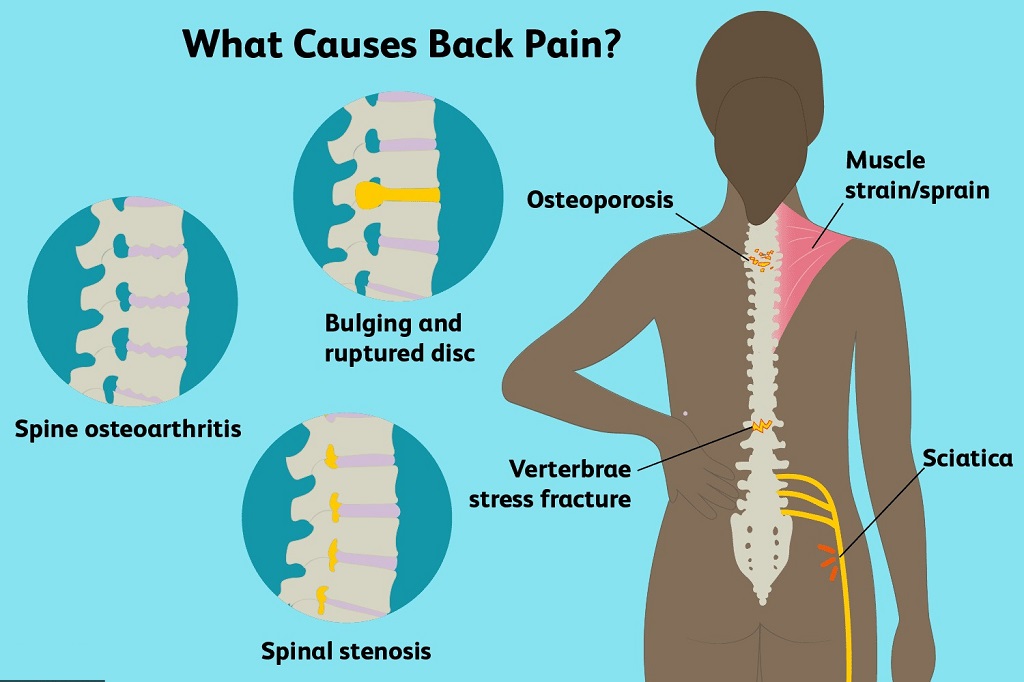
Your spine is a remarkable structure consisting of 33 vertebrae stacked upon each other, creating the central support system for your entire body. This complex framework includes cervical spine (neck), thoracic spine (middle back), lumbar spine (lower back), sacrum, and coccyx (tailbone).
Between each vertebra lies an intervertebral disc, which acts as a shock absorber and allows for flexible movement. These discs contain a gel-like center called the nucleus pulposus, surrounded by a tough outer ring called the annulus fibrosus. Supporting this entire structure are numerous muscles, ligaments, and tendons that work together to maintain spinal stability and enable movement.
The spinal cord, protected within the vertebral column, carries nerve signals between your brain and the rest of your body. Understanding this anatomy helps explain why spinal problems can cause pain not just in your back, but also in your legs, arms, and other body parts.
Common Types of Back Pain
Acute vs. Chronic Back Pain
Back pain is typically classified into two main categories based on duration. Acute back pain develops suddenly and usually lasts from a few days to a few weeks. This type often results from injury, muscle strain, or sudden movements and typically improves with conservative treatment.
Chronic back pain persists for three months or longer and may develop gradually or continue after an acute injury. This persistent pain often requires more comprehensive treatment approaches and may significantly impact daily activities and quality of life.
Location-Specific Back Pain
Lower back pain, or lumbar pain, is the most common type, affecting the area between your rib cage and pelvis. This region bears much of your body weight and is particularly susceptible to strain and injury.
Middle back pain occurs in the thoracic region and is less common due to the additional support provided by the rib cage. Upper back pain typically involves the cervical spine and shoulders, often related to poor posture or neck problems.
Primary Causes of Back Pain
Mechanical Causes
Muscle strains and ligament sprains are among the most frequent causes of back pain. These injuries often occur when lifting heavy objects improperly, making sudden movements, or maintaining awkward positions for extended periods. The surrounding muscles may spasm as a protective mechanism, leading to additional pain and stiffness.
Herniated discs occur when the soft inner material of an intervertebral disc pushes through a crack in the outer ring. This can irritate nearby nerves, causing pain, numbness, or weakness that may radiate into the legs (sciatica) or arms.
Degenerative disc disease is a natural part of aging where discs gradually lose their water content and elasticity, becoming less effective shock absorbers. While the name suggests a disease, it’s actually a normal wear-and-tear process that doesn’t always cause pain.
Structural Problems
Spinal stenosis involves the narrowing of spaces within the spine, putting pressure on nerves. This condition is more common in older adults and can cause pain, numbness, and weakness in the back and legs.
Scoliosis, an abnormal curvature of the spine, can cause back pain, particularly if the curvature is severe or develops during adulthood. While many cases of scoliosis don’t cause significant problems, some may require treatment.
Osteoarthritis affects the facet joints of the spine, causing inflammation, pain, and stiffness. This degenerative joint disease is more common with advancing age and can contribute to spinal stenosis.
Lifestyle-Related Factors
Poor posture is a significant contributor to back pain in our modern world. Prolonged sitting, especially with slouched shoulders and forward head positioning, places excessive stress on spinal structures. Technology use, including smartphone and computer usage, has created new patterns of postural dysfunction.
Sedentary lifestyle weakens the muscles that support the spine, making the back more susceptible to injury. Regular physical activity is crucial for maintaining spinal health and preventing pain episodes.
Improper lifting techniques can cause immediate injury or contribute to cumulative damage over time. Understanding proper body mechanics is essential for protecting your spine during daily activities.
Risk Factors and Contributing Elements
Age and Gender Considerations
Back pain becomes more common with age, particularly after age 30. As we age, bone density may decrease, muscles lose strength and flexibility, and discs become more prone to degeneration. However, back pain can affect people of all ages, including children and adolescents.
While both men and women experience back pain, certain conditions may be more prevalent in one gender. For example, women may experience back pain related to pregnancy, hormonal changes, or conditions like osteoporosis.
Occupational Hazards
Certain occupations carry higher risks for back pain development. Jobs requiring heavy lifting, repetitive bending, prolonged standing, or extended sitting can all contribute to spinal problems. Healthcare workers, construction workers, office employees, and truck drivers are among those at higher risk.
Work-related stress and job dissatisfaction have also been linked to increased rates of back pain, highlighting the connection between psychological factors and physical symptoms.
Physical and Health Factors
Excess weight places additional stress on spinal structures, particularly in the lumbar region. Maintaining a healthy weight through proper diet and exercise can significantly reduce back pain risk.
Weak abdominal and back muscles provide inadequate support for the spine, increasing injury risk. Core strengthening exercises are crucial for spinal stability and pain prevention.
Smoking reduces blood flow to spinal discs, impeding their ability to heal and regenerate. Smokers have higher rates of back pain and slower recovery times from spinal injuries.
When to Seek Medical Attention
While most back pain episodes resolve with conservative care, certain symptoms warrant immediate medical evaluation. Red flag symptoms include severe pain following trauma, pain accompanied by fever, progressive weakness in legs or arms, loss of bladder or bowel control, and severe pain that doesn’t improve with rest.
Chronic pain lasting more than a few weeks, pain that interferes with daily activities, or pain accompanied by persistent numbness or tingling should also be evaluated by a healthcare professional.
Prevention Strategies for Long-Term Back Health
Exercise and Physical Activity
Regular exercise is one of the most effective ways to prevent back pain. Focus on activities that strengthen your core muscles, improve flexibility, and enhance overall fitness. Swimming, walking, yoga, and specific back exercises can all contribute to spinal health.
Stretching exercises help maintain flexibility in muscles and ligaments supporting the spine. Pay particular attention to hip flexors, hamstrings, and back muscles, which can become tight and contribute to pain when shortened.
Ergonomics and Posture
Creating an ergonomically sound workspace can prevent many cases of work-related back pain. Ensure your computer screen is at eye level, your feet are flat on the floor, and your chair supports the natural curve of your lower back.
Practice good posture throughout the day by keeping your shoulders back, chin tucked, and ears aligned over your shoulders. Take frequent breaks from prolonged sitting or standing positions.
Stress Management
Chronic stress can contribute to muscle tension and pain perception. Incorporate stress-reduction techniques such as meditation, deep breathing exercises, or regular physical activity into your routine.
Adequate sleep is crucial for tissue repair and pain management. Maintain good sleep hygiene and consider your mattress and pillow quality for optimal spinal alignment during rest.
Frequently Asked Questions (FAQs)
What is the most common cause of back pain?
The most common cause of back pain is muscle strain or ligament sprain, often resulting from improper lifting, sudden movements, or poor posture. These mechanical injuries account for approximately 85% of back pain cases and typically improve with conservative treatment.
How long does back pain usually last?
Acute back pain typically lasts from a few days to six weeks, with most episodes resolving within two weeks. Chronic back pain persists for three months or longer and may require more comprehensive treatment approaches.
Can stress cause back pain?
Yes, stress can contribute to back pain through increased muscle tension, altered posture, and changes in pain perception. Chronic stress may also slow healing and recovery from back injuries.
Is bed rest good for back pain?
Current medical guidelines recommend avoiding prolonged bed rest for back pain. While brief rest (1-2 days) may be helpful for severe acute pain, staying active within comfortable limits promotes faster recovery and prevents muscle weakness.
When should I see a doctor for back pain?
Seek medical attention if you experience severe pain after trauma, pain with fever, progressive weakness, loss of bladder/bowel control, or pain that doesn’t improve after a few weeks of conservative care.
Can back pain be prevented?
Many cases of back pain can be prevented through regular exercise, proper posture, good body mechanics, maintaining a healthy weight, and managing stress effectively. However, some causes like age-related changes may not be entirely preventable.
What exercises are best for preventing back pain?
Core strengthening exercises, flexibility stretches, low-impact aerobic activities like walking or swimming, and specific back exercises are most beneficial for preventing back pain. Always consult with a healthcare professional before starting a new exercise program.
Read More Also: Can Positive Thinking Really Tame the Anxiety Beast
Take Action for Your Back Health Today
Understanding the basics of back pain is your first step toward a healthier, pain-free life. Don’t let back pain control your daily activities or limit your potential. Whether you’re currently experiencing discomfort or looking to prevent future problems, the knowledge you’ve gained here empowers you to make informed decisions about your spinal health.
Ready to take control of your back pain? Start by implementing one or two prevention strategies discussed in this guide. Consider scheduling a consultation with a healthcare professional if you’re experiencing persistent pain, or speak with a fitness professional about developing a back-healthy exercise routine.
Remember, small changes in your daily habits can lead to significant improvements in your back health over time. Your spine has supported you throughout your life—now it’s time to return the favor with proper care and attention.
Share this article with friends and family members who might benefit from understanding back pain basics. Together, we can work toward a world with less back pain and more active, healthy living.