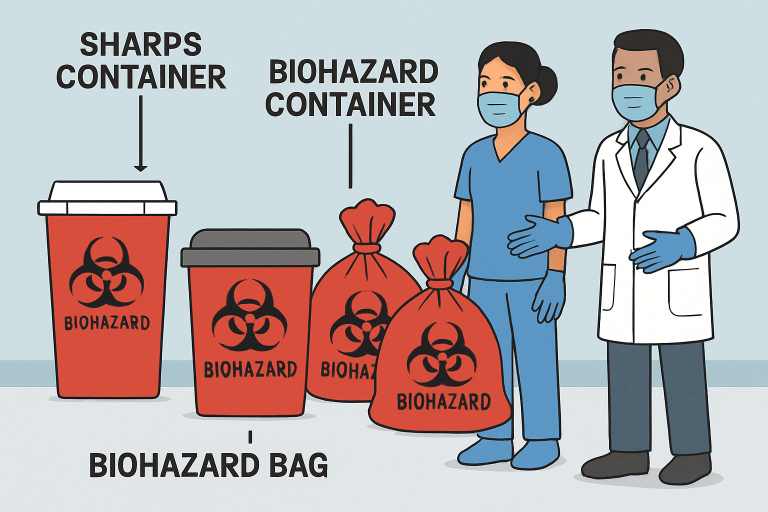
Efficiently handling biological waste in healthcare settings is essential for ensuring safety and preventing contamination. The increasing volume and complexity of waste produced in hospitals, clinics, and research laboratories raise significant concerns for both public health and the environment. Proper biological waste disposal requires stringent protocols and ongoing education to ensure patient, staff, and community safety.
Healthcare organizations must stay ahead of challenges involving the storage, segregation, and long-term disposal of infectious waste. From robust safety standards to comprehensive staff training, several proven strategies can significantly reduce the risks associated with biomedical waste, ensuring compliance and upholding public trust.
Due to the overlap in types of regulated refuse and the strict legal standards involved, medical waste management shares many of the same foundational principles as biological waste, emphasizing careful classification, secure storage, and environmentally conscious disposal.
As waste management guidelines and best practices continue to evolve with modern technology, understanding the latest requirements and practical solutions is critical for any facility that generates, collects, or treats biological or medical waste. The following comprehensive guide outlines key strategies for effective waste management and offers best-practice recommendations for every stage of the process.
Biological waste, often synonymous with biomedical or biohazardous waste, includes any material contaminated with blood, body fluids, human tissues, laboratory cultures, or other infectious agents. Items such as used needles, surgical gloves, and culture plates pose a risk of infection transmission if not handled carefully. The presence of dangerous pathogens in such waste highlights the importance of precise handling at every stage to protect healthcare personnel, patients, and the surrounding community.
Failure to identify and properly manage these materials contributes to environmental pollution and poses severe public health risks. Standards for the definition and treatment of biological waste are defined by both international and national authorities, emphasizing the need for unified practices across all healthcare settings.
Segregation and Classification
Effective management of biological waste begins with segregation and classification at the point of generation. Categorizing waste not only streamlines the entire disposal process but also minimizes the risk of incidents during handling. Healthcare facilities generally classify biological waste into four main types:
Infectious Waste: Includes items saturated with blood or other potentially infectious materials, such as cultures and testing swabs.
Sharps Waste: Items such as needles, scalpels, and syringes that pose injury and infection hazards.
Pathological Waste: Comprises tissues, organs, and body parts removed during surgery or autopsy.
Pharmaceutical Waste: Covers expired, unused, or contaminated medications.
Segregation requires thorough training and clear labeling so that each category is immediately identifiable. This step ensures the appropriate collection, storage, and disposal processes are followed, reducing both exposure risks and environmental hazards.
Safe Handling and Transportation
The handling and transportation of biohazardous waste are tightly regulated. Staff must use leak-proof, puncture-resistant containers for sharps and ensure all receptacles are clearly marked with biohazard symbols or other standardized identifiers. Key elements of safe handling include
Providing accessible handwashing stations and personal protective equipment at waste collection points.
Maintaining separate pathways or storage to prevent cross-contamination with general or recyclable waste.
Designating properly trained workers for waste movement to ensure compliance with safety guidelines.
Audits and documented chain-of-custody practices are crucial in verifying that waste remains secure and contained throughout transit. Maintaining detailed records also streamlines regulatory inspections and reduces the risk of liability.
Treatment and Disposal Methods
Healthcare facilities are required to neutralize or destroy harmful biological agents before final waste disposal. The most common and approved methods include:
Autoclaving: Subjects waste to high-pressure saturated steam, effectively sterilizing materials and rendering them safe for disposal.
Incineration: Burns waste at high temperatures, destroying pathogens and reducing bulk, but must be managed to limit air pollution.
Chemical Disinfection: Uses agents such as chlorine compounds to deactivate infectious materials in liquid or solid waste.
The appropriate method depends on the nature and volume of waste, local zoning rules, and environmental policies. Many facilities are exploring advanced technologies, including microwave treatment and advanced shredding, to minimize environmental impact and operational costs.
Regulatory Compliance
Strict adherence to legal frameworks at the local, state, and federal levels is a non-negotiable element of biological waste management. Organizations such as the World Health Organization and Occupational Safety and Health Administration provide clear regulations and consequences for lapses in protocol. Non-compliance carries severe penalties and can jeopardize accreditation, reputation, and the safety of all involved.
Regular policy reviews and updates ensure procedures remain up to date with evolving laws and technological advancements.
Training and Education
Ongoing training forms the backbone of any effective waste management system. Staff at all levels must receive regular instruction on safe handling techniques, the proper use of personal protective equipment, updates to legal requirements, and emergency protocols. Investing in frequent workshops and hands-on learning opportunities fosters accountability and reduces the risk of noncompliance or accidental exposure.
Sustainable Practices
Modern healthcare facilities increasingly prioritize sustainability in their waste management strategies. Eco-friendly practices not only reduce environmental impact but also offer potential cost savings. Practical steps include:
Shifting to biodegradable and compostable containers for non-infectious waste where appropriate.
Implementing recycling programs for packaging and other non-hazardous materials.
Integrating innovative sterilization technologies to reduce the use of incinerators and other polluting processes.
Sustainable approaches also build community trust and demonstrate leadership in responsible healthcare practice.
Conclusion
Comprehensive management of biological waste is critical to protecting public health and maintaining a safe, compliant healthcare environment. Adhering to best practices from segregation to final disposal, investing in regular education, and embracing sustainable methods empower facilities to meet their responsibilities while advancing environmental stewardship. By prioritizing efficiency, safety, and sustainability, healthcare providers ensure the well-being of patients, staff, and the wider community.